
If you own a period property in central London — or you're a landlord with tenants who complain about heating bills — 2026 is the year you need to pay attention. The government's new EPC regulations are tightening, and properties stuck at an 'E' or 'F' rating are about to become rental liabilities and harder to sell.
Here's the good news: You don't need to gut your Georgian townhouse or rip out original sash windows to fix your EPC rating. Secondary glazing is the single most cost-effective upgrade that boosts your rating, slashes heating bills, and adds serious value to your property — without the six-figure renovation bill.
Let's talk numbers, ROI, and why this is the smartest move you can make in 2026.
The 2026 EPC Crackdown: What's Changed
From April 2026, the government's new EPC framework prioritises "fabric performance" — that's insulation, windows, and draught-proofing. Properties with poor thermal efficiency will score lower, even if they have a modern boiler. Translation: your single-glazed Victorian windows are dragging your rating down.
For landlords, this matters because rental properties will soon need to meet minimum EPC standards of 'C' by 2028. For homeowners, it matters because buyers are now checking EPC ratings before they even book a viewing. A property with a 'D' or 'C' rating sells faster and for more money than one stuck at 'E' or 'F'.
Key Deadline: 2028 Rental Ban
Landlords must hit a 'C' rating by 2028 or face rental bans. Properties below 'E' are already illegal to rent. Act now before the 2027 rush when every landlord panics, prices spike, and installation waiting times double.
The Period Property Problem
If you own a listed building or a property in a conservation area like Kensington, Chelsea, or Richmond, you already know the problem: You can't just rip out original windows and install uPVC double glazing. Planning officers will reject it, and even if they didn't, you'd be destroying the character of your home.
This is where most owners get stuck. Wall insulation is invasive and expensive (think £15,000+ for external cladding). Replacing heating systems helps, but it won't fix the core issue: Heat is pouring out of your single-glazed windows.
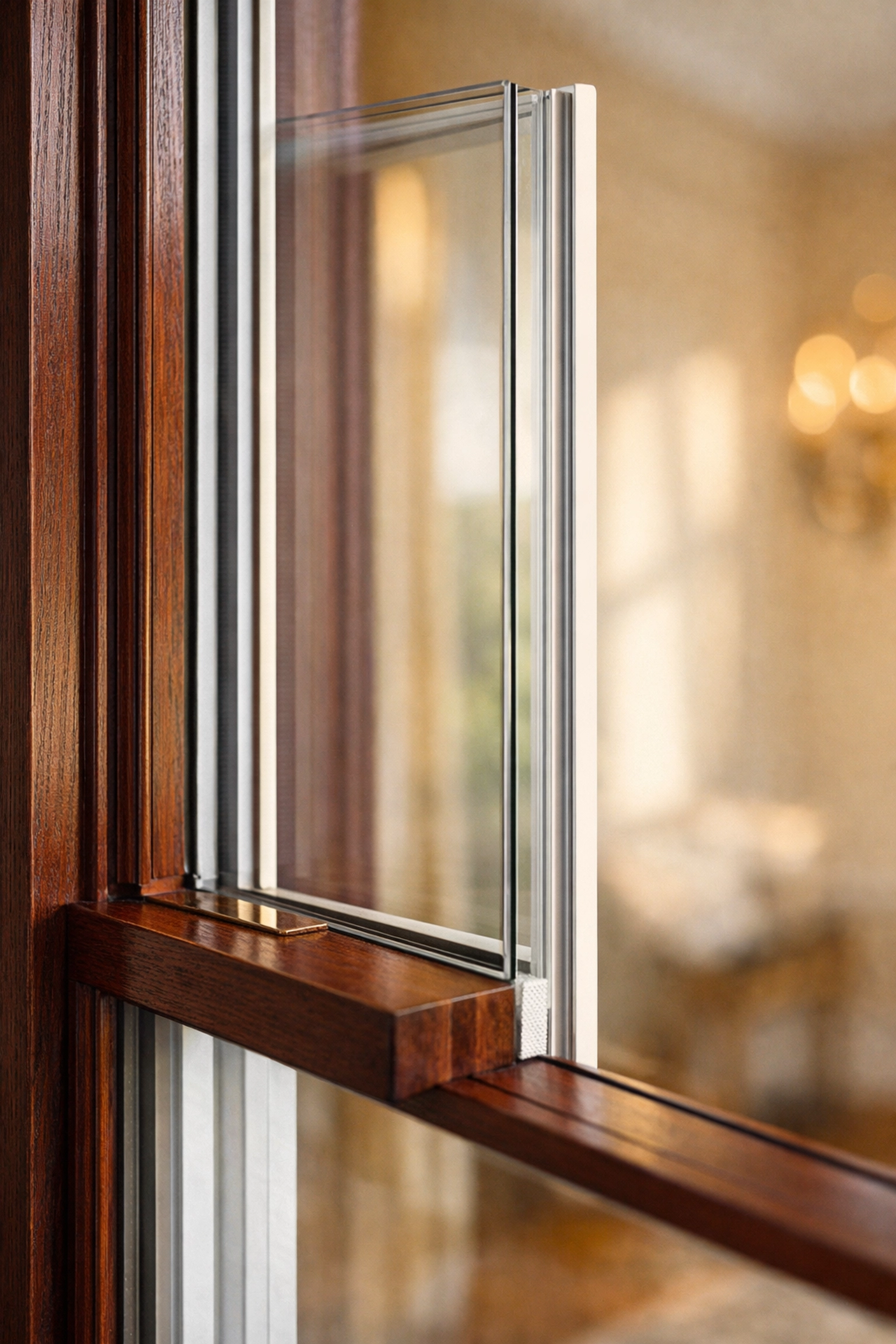
Secondary glazing solves this without touching the original windows. It's a reversible interior installation, which means it's almost always approved for listed buildings and conservation areas.
The ROI Case: What You Gain
Let's break down the actual financial return, because this isn't just about eco-points — it's about money in your pocket.
Energy Bill Savings
£400-£600/year
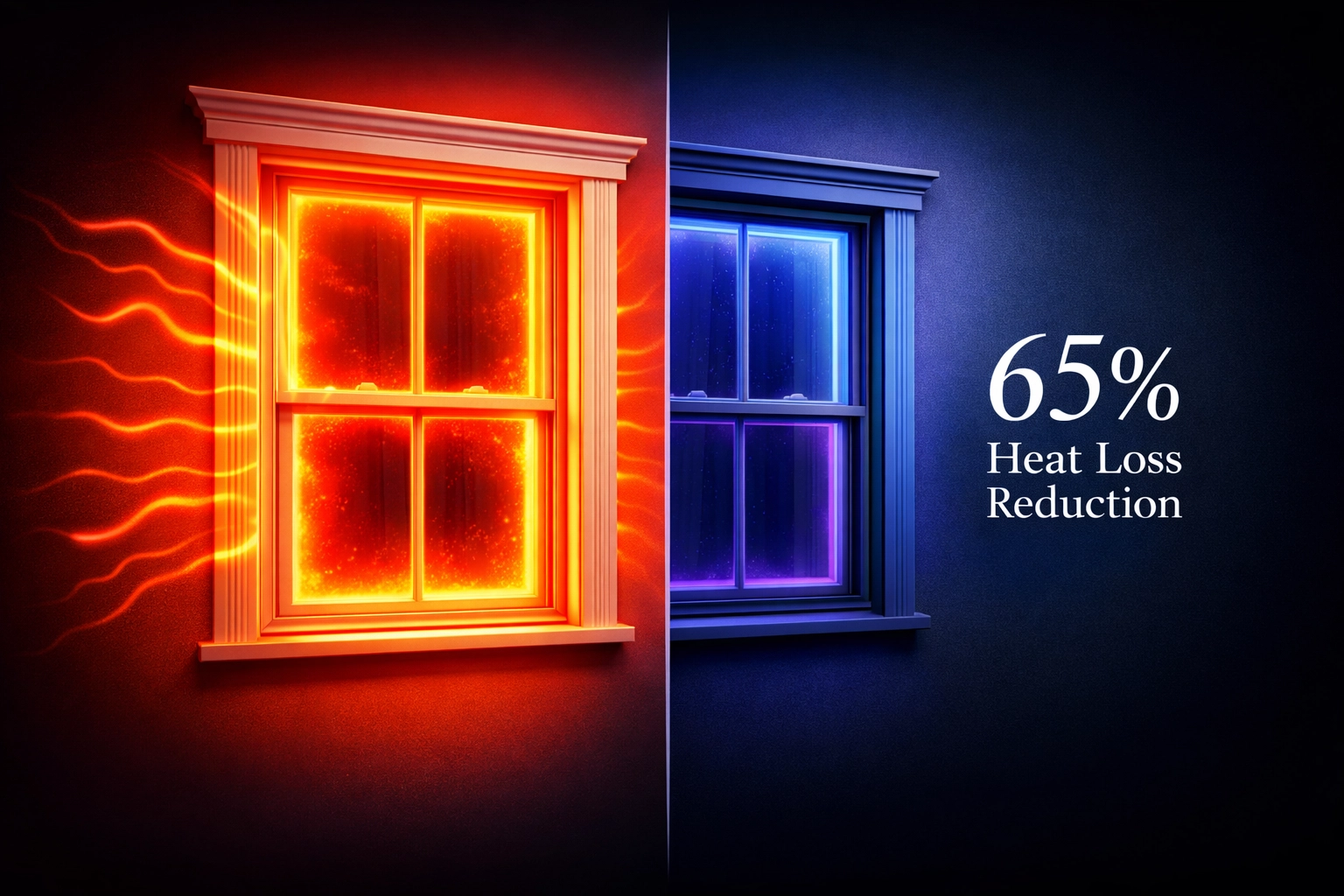
Reduces heat loss through windows by up to 65%. For a four-bedroom period home, that's £4,000-£6,000 over ten years.
Property Value Uplift
5-10% increase
For a £1.2M townhouse in Mayfair, that's an extra £60,000-£120,000 on your sale price. Serious return on an £8,000-£12,000 installation.
EPC Rating Jump
F to D typical
Most period homes jump from F (21-38) to D (55-68) with secondary glazing and basic loft insulation combined.
Why Secondary Glazing Beats Full Replacement
Here's the math that matters:
| Factor | Secondary Glazing | Full Replacement |
|---|---|---|
| Planning Permission | Usually Not Required | Required (Often Rejected) |
| Cost (4-bed home) | £8,000-£12,000 | £15,000-£25,000 |
| Character Preservation | 100% Preserved | Original Windows Destroyed |
| Installation Time | 2-3 days | 3-4 weeks |
| Thermal Performance | U-value 1.8-2.0 W/m²K | U-value 1.2-1.4 W/m²K |
| Reversible | Fully Reversible | Permanent Alteration |
You're spending half the money, getting 80% of the thermal performance, and keeping your home's architectural integrity intact. That's not a compromise — that's smart property management.
The Landlord Advantage
If you're renting out period properties, the 2028 deadline for 'C' ratings is coming fast. Here's why secondary glazing is your best play:
Tenant Retention Improves
Nobody wants to live in a freezing flat with £200/month heating bills. Secondary glazing makes your property comfortable, which means tenants stay longer and complain less.
Avoid the Rental Ban
Properties below 'E' are already illegal to rent. The 'C' requirement is next. Get ahead of it now before the rush in 2027 when every landlord panics at once and installation waiting times balloon.
Insurance & Maintenance Costs Drop
Condensation and damp are the enemies of period properties. Secondary glazing eliminates condensation, which means fewer callouts for mould issues and lower insurance claims.
The Luxury Homeowner Play
For owners of high-value properties in Belgravia, Chelsea, and South Kensington, secondary glazing isn't just about compliance — it's about silent luxury. Modern buyers at the £2 million+ level expect period charm and modern comfort. They want the original timber sashes, but they also want the heating bills of a new-build.
Secondary glazing delivers both. The installation is invisible from the street (critical in conservation areas), the interior keeps the elegant proportions of the room, and the performance rivals modern double glazing.

Plus, if you're planning to sell in the next 2-3 years, having a 'C' or 'D' rating on your EPC certificate is a major selling point. Estate agents now lead with EPC ratings in their marketing, and buyers are filtering search results by energy efficiency.
How the 2026 Framework Rewards Fabric Performance
The new EPC methodology places more weight on insulation and glazing than ever before. Properties with excellent fabric performance — meaning well-insulated walls, roofs, and energy-efficient windows — will score higher even if they use electric heating instead of gas.
This is a game-changer for period homes. Previously, EPC assessors heavily penalised properties with single glazing. Now, adding secondary glazing (which achieves U-values of around 1.8-2.0 W/m²K) puts you in a competitive range with standard double glazing (1.2-1.4 W/m²K).
The 100mm Air Gap: Your Secret Weapon
The key metric is the thermal bridging calculation. Because secondary glazing creates a 100mm air gap between the original window and the new pane, it acts as a thermal buffer. That air gap is your secret weapon for passing the new EPC tests — it delivers 80% of double-glazing performance at half the cost, with zero planning headaches.
What It Actually Costs (And What You Get Back)
Let's look at a real-world example for a four-bedroom Victorian terrace in Richmond:
Case Study: 4-Bed Victorian Terrace, Richmond
You're not waiting decades to see a return. You're locking in a 400%+ return the moment you list the property for sale.
What would it cost for your property?
Use our instant cost calculator to get a tailored estimate based on your window sizes and property type.
The Bottom Line
The 2026 EPC reforms aren't going away. If anything, they're getting stricter. You can either wait until 2027 when everyone panics, prices spike, and installation times double — or you can act now and lock in lower costs while adding immediate value to your property.
Secondary glazing is the rare home improvement that pays for itself in property value before you even factor in the energy savings. For period homes, listed buildings, and conservation area properties, it's not just the smart choice — it's the only choice that keeps your home's character intact while meeting modern performance standards.
The math is simple. The installation is fast. The ROI is undeniable.