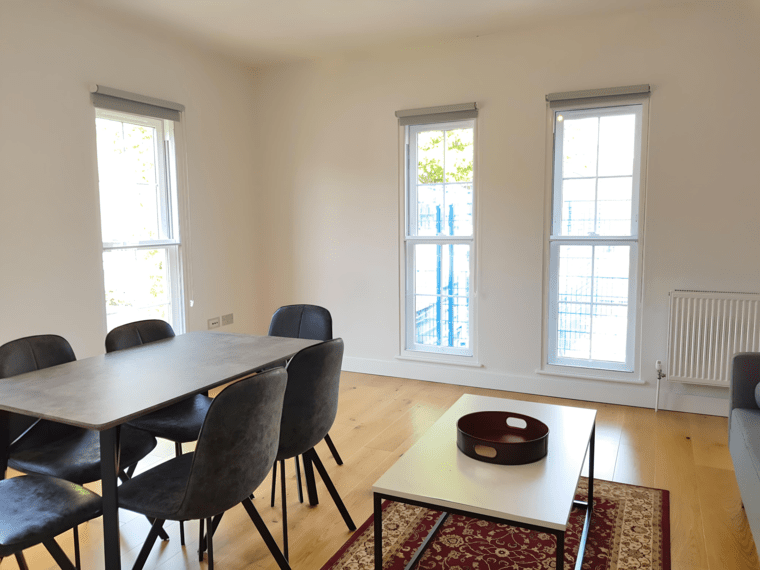
You wake up. You walk into your beautiful Victorian living room. And there it is again — your stunning sash windows are streaming with water, the sills are soaked, and there's that telltale smell of damp creeping in.
If you live in a period home in London or the Home Counties, you know this scene all too well. Those gorgeous original windows that give your home so much character? They're also the reason you're wiping down glass every single morning and worrying about black mould appearing on the frames.
Here's the good news: you don't have to replace those beautiful sashes to fix the problem. Let's talk about how to stop condensation on sash windows with secondary glazing — and why it actually works.
Why Your Sash Windows Are Crying (And It's Not Their Fault)
Condensation happens when warm, moist air hits a cold surface. Think about a cold glass of water on a hot day — same principle, just playing out on your windows every winter morning.
In Georgian and Victorian homes, the original single-glazed sash windows are basically giant cold panels. When the warm air inside your home (full of moisture from cooking, showering, breathing, and just living) meets that freezing cold glass — instant condensation.
The problem gets worse because period homes weren't designed with modern insulation in mind. Your walls breathe, your floorboards have gaps, and your windows... well, they're single panes of glass sitting in wooden frames that have been there since before the lightbulb was invented.
The "Just Ventilate More" Myth
You've probably been told to "just open the windows more" or "get a dehumidifier." And yes, those things help a bit. But here's the reality:
Opening windows in January when it's 2°C outside isn't exactly pleasant. Plus, you're paying to heat your home — why would you want to throw that warmth straight out the window?
Dehumidifiers can help reduce moisture in the air, but they're treating the symptom, not the cause. The real issue is that your single-glazed windows are simply too cold. No amount of ventilation changes the fact that when warm air hits freezing glass, physics takes over.
How Secondary Glazing Actually Solves the Problem
This is where secondary glazing becomes your secret weapon. It works by creating a thermal barrier between your room and that cold original window.
Here's what happens when you install professional secondary glazing:
The Thermal Barrier Effect
A second pane of glass is installed on the room side of your existing sash window, typically with a 100mm air gap between the old window and the new pane. That air gap acts like an insulation layer — think of it as a thermal duvet for your windows.
The result? The inner pane (the one facing your room) stays much warmer. When your warm, moist air hits this warmer surface, it doesn't condense. Simple physics, elegant solution.
The Airtight Seal
This is the part that DIY kits get wrong. Professional secondary glazing uses precision-engineered seals that create an airtight barrier. This stops moisture-laden air from getting trapped in that crucial air gap between the panes.
If moisture gets into the cavity, you end up with condensation between the windows — which is even more annoying than condensation on the glass because you can't wipe it away.
Why DIY Secondary Glazing Kits Usually Disappoint
We see this all the time: someone orders a DIY secondary glazing kit online, spends a weekend fitting it, and three months later they're still dealing with condensation. What went wrong?
Poor Seals
DIY kits use standard magnetic strips or basic rubber seals. They look fine when you first install them, but they're not precision-cut for your specific window opening. The result? Tiny gaps where warm air sneaks through, rendering the whole system less effective. Think of it like trying to keep your coffee hot in a thermos with a dodgy lid.
One-Size-Fits-None Measurements
Your Victorian sash windows weren't built to standard modern measurements. They're unique, slightly wonky (in a charming way), and they've settled over a century or more. DIY kits assume your windows are perfectly square and uniform. Spoiler: they're not. This means gaps, poor fits, and — you guessed it — condensation.
Wrong Glass Specification
Not all glass is created equal when it comes to thermal performance. Professional installations use glass specifically chosen for your home's needs — whether that's 6.4mm for moderate condensation issues or 10.8mm acoustic glass if you're also dealing with noise from a main road. DIY kits give you whatever glass they've decided is "standard." It might work. It might not.
What Professional Bespoke Installation Gets You
When secondary glazing is done properly, it transforms your entire experience of living in a period home.
Custom Measurements
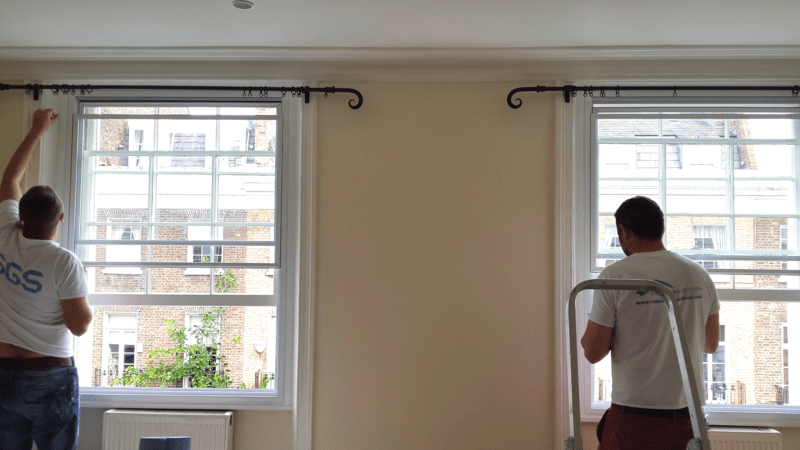
Every window is measured individually, down to the millimetre. The frames are manufactured specifically for your openings, accounting for those charming Victorian quirks.
Engineered Seals
Professional-grade brush seals or compression gaskets create an airtight barrier. These are specified for your exact window type and the thermal performance you need.
Reversible Installation
Crucial for listed buildings or conservation areas. Professional secondary glazing is completely reversible — it doesn't damage or alter your original windows.
The Right Glass
A proper installer will assess your specific condensation problem. Quiet street? 4mm glass. Park Lane traffic noise too? 10.8mm acoustic glass solves both problems at once.
What to Expect After Installation
Here's what actually happens when you get professional secondary glazing installed:
Week One
You'll notice the condensation reduces dramatically. Those soaking wet sills? Gone. You might still see a tiny bit of misting on very cold mornings, but nothing like before.
Month One
Your heating bills start to drop. That 100mm air gap is keeping your heat inside instead of radiating out through single-glazed windows. Most people see a 60–65% reduction in heat loss through their windows.
Year One
You realise you haven't thought about condensation in months. The system just works, quietly and efficiently, in the background.
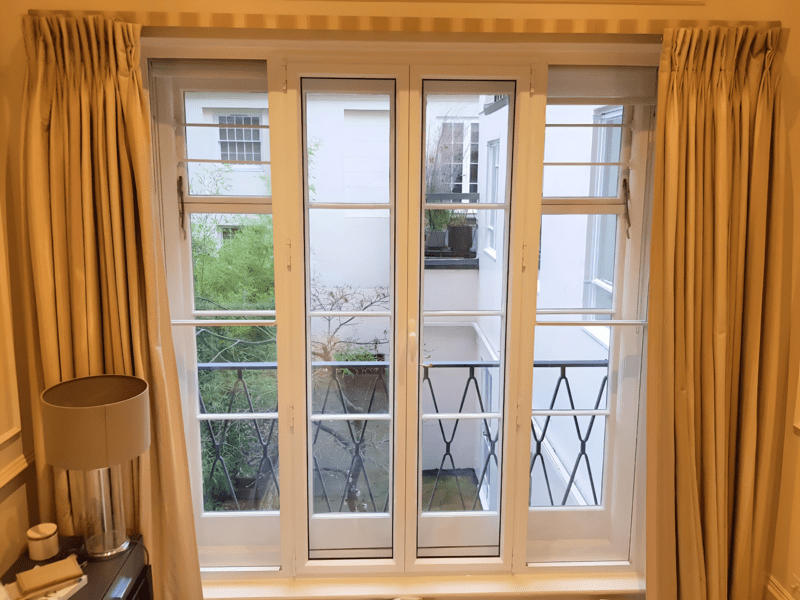
Is It Worth It for Your Home?
If you're dealing with any of these situations, secondary glazing is probably your best solution:
- You wake up to wet windows most winter mornings
- You’re seeing mould or mildew appearing on window frames or sills
- You’re in a conservation area or listed building where you can’t replace the original windows
- You want to keep your beautiful period sashes but need modern thermal performance
- You’re tired of sky-high heating bills from heat pouring out of single-glazed windows
The investment pays back through reduced heating costs, no more damp damage, and honestly, just the peace of mind of not dealing with wet windows every single day.
Check Your Options
Every home is different. The condensation problems in a Georgian townhouse in Kensington are different from a Victorian villa in Notting Hill, which are different from an Edwardian semi in the suburbs.
The best way to know what will work for your specific situation? Get an accurate assessment of your windows and the right glass specification for your needs.
You can start by using our secondary glazing cost calculator to get an instant estimate based on your window types and the level of thermal efficiency you need. It takes about two minutes and gives you a clear breakdown of what a professional installation would look like for your home.
No more wet windows. No more morning wipe-downs. Just beautiful period sashes that finally perform the way they should.
That's what proper secondary glazing does. And that's why it's worth getting it done right the first time.
Ready to solve your condensation problem?
Get Your Free Heritage Assessment
Our specialists will survey your windows, identify the right glass specification, and provide a detailed quote — with absolutely no obligation.
Frequently Asked Questions
Why a Site Survey Is Essential
Online calculators (including ours) give you a useful ballpark figure. But condensation problems are specific to your property, and the right solution depends on factors that can only be assessed in person:
Window condition assessment
We check the original timber frames, putty condition, and sash mechanisms to ensure secondary glazing won't trap moisture against deteriorating wood.
Precise measurement
Victorian windows are rarely perfectly square. We measure every opening to the millimetre for frames that fit flush with no gaps.
Ventilation analysis
We assess your property's ventilation patterns to specify the correct seal type — preventing interstitial condensation in the cavity.
Glass specification
Depending on your condensation severity, noise exposure, and budget, we recommend the optimal glass type — from 4mm toughened to 10.8mm acoustic laminate.
Planning & heritage review
For listed buildings and conservation areas, we advise on any permissions needed and ensure the installation is fully compliant from day one.