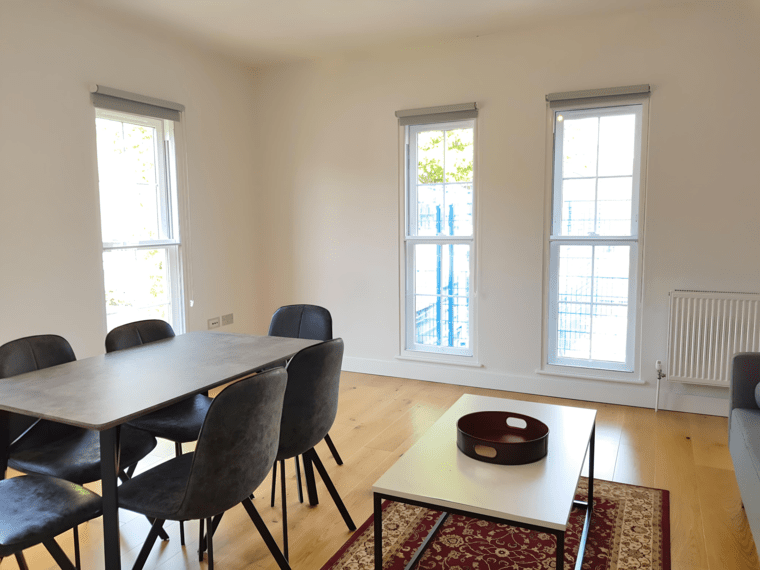
If you live in St John's Wood or Primrose Hill, you already know what makes these neighbourhoods special. The tree-lined avenues. The Regency villas with those grand sash windows. The village feel that somehow exists right in the heart of Zone 2. It's London living at its finest.
But there's a trade-off. Wellington Road at rush hour sounds like a motorway. The commuter traffic on Park Road starts at 6am. And if you're anywhere near the Abbey Road Studios area, you've probably got used to the constant hum of tourists and taxis.
That's where secondary glazing comes in. It's the smart way to keep the charm of your NW8 or NW1 home while blocking out the chaos outside.
Why St John's Wood & Primrose Hill Homes Need Secondary Glazing
These postcodes are packed with period properties. Whether you're in one of those stunning detached villas near Lord's Cricket Ground, a colourful terraced house on Regent's Park Road, or a mansion flat on Abbey Road, chances are your windows are original — or at least sympathetically restored.
And that's brilliant for aesthetics. But single-glazed sash windows? They're terrible for noise and heat loss.
Here's what most homeowners in NW8 and NW1 are dealing with:
Road Noise: Wellington Road, Park Road, and Finchley Road are major arteries. If your bedroom faces any of these, you're probably familiar with the 5am bin lorries and the evening rush hour rumble.
High-Frequency Commuter Noise: The Jubilee Line runs beneath St John's Wood. While it's not Underground noise itself that's the issue, the increased foot traffic and constant taxi flow around the station creates a persistent background hum.
Draughty Period Windows: Those beautiful tall sashes look incredible, but they leak heat like a sieve. In winter, you're basically heating the street.
Heritage Restrictions: Many properties around here are in conservation areas or are Grade II listed. That means ripping out your original windows for double glazing isn't just expensive — it might not even be allowed.
Secondary glazing solves all of this without touching your original frames.
How Secondary Glazing Works (And Why It's Perfect for NW8/NW1)
Secondary glazing is essentially a second, discreet pane of glass fitted inside your existing window frame. It creates an insulating air gap that dramatically reduces both noise and heat loss.
Unlike double glazing replacement, nothing about your original window changes. Your sashes still open. The exterior look stays exactly the same. And because it's completely reversible, it's almost always approved — even in strict conservation areas like Primrose Hill.
The system we install uses slim, unobtrusive frames (often in a heritage-friendly wood finish) that sit flush with your existing window reveal. You can opt for hinged units that swing open for access, or lift-out panels for occasional cleaning.
For St John's Wood and Primrose Hill homes, we typically recommend a 100mm air gap between the primary and secondary pane. That's the sweet spot for maximum acoustic performance — crucial when you're trying to sleep through the Wellington Road traffic.
The Benefits: Silent Nights and Lower Bills
Let's talk results. Because this isn't just about making your home "a bit quieter." It's about transforming your quality of life.
Noise Reduction: Up to 80%
This is the big one. With properly fitted acoustic secondary glazing, we can reduce external noise by up to 80%. That means the difference between waking up every time a taxi goes past and actually sleeping through until your alarm.
For homes on Park Road, Wellington Road, or anywhere near Lord's Cricket Ground on match days, this is game-changing. The high-frequency traffic noise — the stuff that really grates — gets absorbed by the air cavity and secondary pane.
Thermal Efficiency: Cut Heating Bills by 60%
Those grand Regency windows are beautiful, but they're energy vampires. Single glazing offers almost zero insulation. In winter, you're losing heat faster than your boiler can produce it.
Secondary glazing can reduce heat loss by up to 70%. For a typical St John's Wood villa with 10–12 large sash windows, that translates to hundreds of pounds saved on heating bills every year. Plus, your home actually feels warm instead of permanently draughty. Read more about the thermal benefits of secondary glazing.
Zero Impact on Listed Building Status
This matters enormously in NW8 and NW1. Many of the white stucco villas around St John's Wood are Grade II listed. The terraced houses climbing Primrose Hill? Often in strict conservation areas.
Because secondary glazing is fitted internally and doesn't alter the external appearance, it's almost always permissible. No planning battles. No heritage objections. Just a straightforward installation that respects the architectural integrity of your home. See our full guide on secondary glazing for listed buildings.
The St John's Wood & Primrose Hill Advantage
These neighbourhoods aren't just postcodes — they're villages. And homeowners here care deeply about preserving that character.
In St John's Wood (NW8), you've got some of the most prestigious detached and semi-detached villas in London. The tree-lined streets around Circus Road and Hamilton Terrace are architectural treasures. Our installations here prioritise total discretion. From the street, no one should ever know your windows have been upgraded.
In Primrose Hill (NW1), it's all about those pastel-painted terraces climbing up toward the park. Regent's Park Road, Chalcot Square, Princess Road — these are some of London's most photographed streets. Our heritage secondary glazing here uses heritage colours and slim sightlines to blend seamlessly with your existing woodwork.
And if you're in one of the luxury apartment blocks around Lord's Cricket Ground? We've got systems specifically designed for mansion flats, including magnetic seal units that are perfect for properties with leasehold restrictions.
What About Planning Permission?
Good news: in most cases, you won't need it.
Secondary glazing is classified as an "internal alteration," which means it falls under permitted development rights. There's no external change to your property, so even strict conservation officers rarely have objections.
That said, if your property is Grade I or II* listed (rather than just Grade II), or if you're in a particularly sensitive part of the Primrose Hill Conservation Area, it's worth checking with Camden Council's heritage team first. We can help with that process — we've done dozens of applications around here and know exactly what the council looks for.
For the vast majority of St John's Wood and Primrose Hill homes, though, installation can go ahead without any red tape.
Installation: What to Expect
We get it — you don't want builders traipsing through your home for weeks. The beauty of secondary glazing is that installation is fast and non-invasive.
Here's the typical process for an NW8 or NW1 home:
- Survey: We visit your property to measure up and discuss your specific concerns (noise, heat loss, or both). This takes about an hour and there's no obligation. Book your free survey.
- Manufacture: Your secondary glazing units are custom-made to fit your exact window dimensions. Lead time is usually 3–4 weeks.
- Installation: For a typical three-bedroom villa with 8–10 windows, installation takes 1–2 days. We work room by room, so disruption is minimal. No mess, no major noise.
- Aftercare: We include a full maintenance guide and offer ongoing support if you ever need adjustments or replacements.
Most clients tell us they notice the difference immediately — especially that first night when the traffic noise just... stops.
The Cost (And Why It's Worth It)
Let's be honest: St John's Wood and Primrose Hill aren't budget postcodes. But even here, secondary glazing represents exceptional value compared to full window replacement.
A typical installation for a period property with 10 large sash windows runs between £8,000–£12,000. That's less than half the cost of replacing your windows with heritage-approved double glazing — which would also require planning battles, longer installation times, and the loss of your original frames.
Factor in the energy savings (easily £300–500 per year for a larger property) and the increased property value from improved energy performance, and most homeowners see payback within 5–7 years.
More importantly, though, it's about quality of life. Being able to sleep through the night. Not having to crank the heating to 25°C just to feel comfortable. Actually enjoying your home rather than tolerating the noise.
Use our online cost calculator for an instant estimate tailored to your property.
Why Choose Us for Your NW8/NW1 Installation
We've been installing secondary glazing across North London for years, and we understand these neighbourhoods inside out. We know that a villa on Hamilton Terrace has different requirements than a terrace on Regent's Park Road. We know which Camden conservation officers to speak to. And we know that discretion and quality matter more here than anywhere else.
All our installations come with:
- Custom timber or slimline aluminium frames to match your existing windows
- Acoustic-grade glass for maximum noise reduction
- Low-E glass options for enhanced thermal performance
- Heritage colours available for conservation area properties
- 10-year guarantee on all units
Ready to reclaim the peace and quiet your home deserves? Book a specialist survey for your St John's Wood or Primrose Hill property and let's get started. Or call 0207 060 1572 to speak with our team. Your silent luxury awaits.
Written by
James Wilson
Service Director
With over 20 years of experience in the secondary glazing industry,James is a leading expert in acoustic and thermal window solutions.