Secondary Glazing for Listed Buildings
The only glazing solution that preserves your listed building's historic character while dramatically improving thermal efficiency and comfort. No planning permission required.
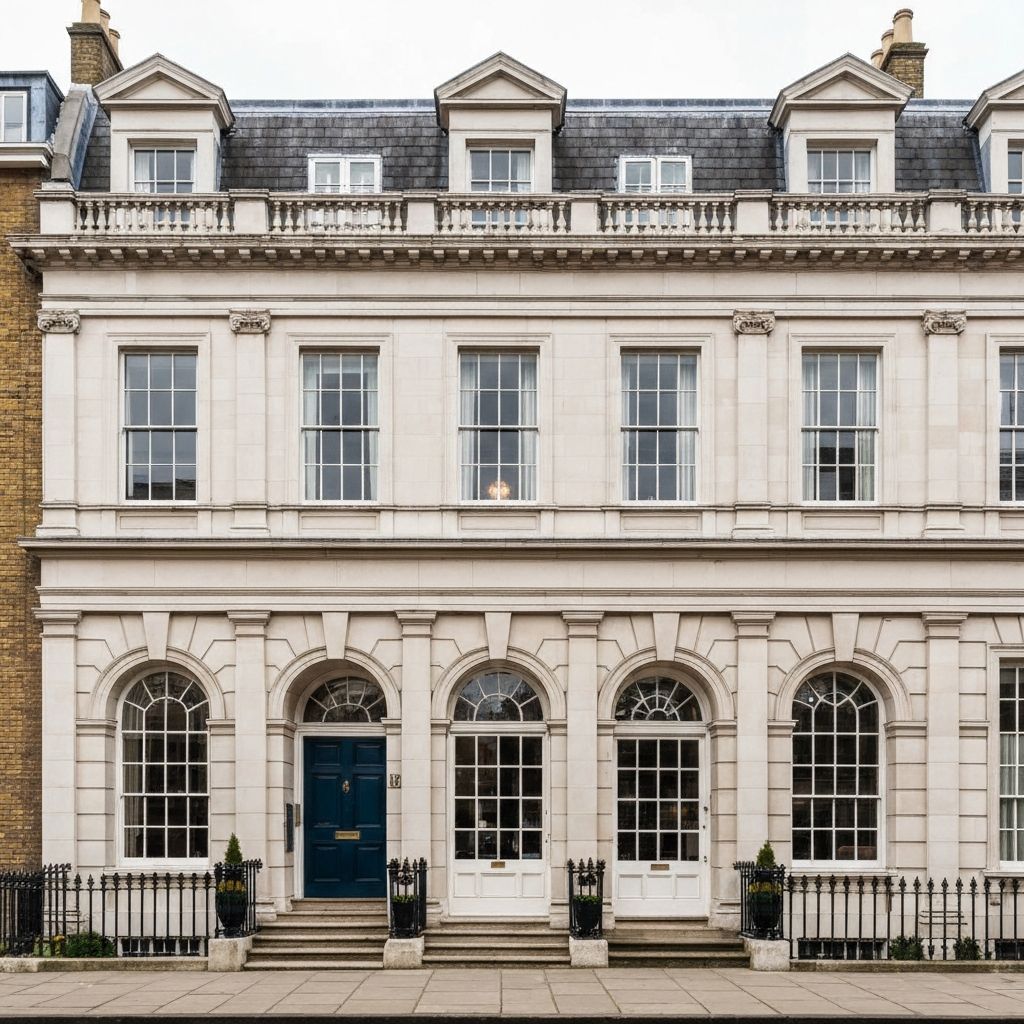
Why Listed Buildings Need Secondary Glazing
The perfect solution for heritage property constraints
Listed Building Challenges
Planning Permission Restrictions
Double glazing replacement often prohibited or requires lengthy planning applications
Conservation Officer Requirements
Strict requirements to preserve original windows and historic character
Poor Energy Performance
Original single glazed windows result in significant heat loss and high energy bills
Limited Improvement Options
Few viable solutions that meet both performance needs and heritage requirements
Secondary Glazing Solutions
No Planning Permission Required
Internal installation means no external alterations or planning applications needed
Preserves Original Windows
Keeps historic windows completely intact, maintaining authenticity and value
60% Heat Loss Reduction
Dramatically improves thermal efficiency while respecting heritage constraints
Fully Reversible
Can be completely removed without any damage to original windows or frames
Secondary Glazing for All Listed Building Grades
Suitable solutions for Grade I, II*, and II listed buildings
Buildings of exceptional interest (2.5% of listed buildings)
Our Approach:
- • Minimal visual impact systems
- • Completely reversible installation
- • Conservation officer consultation
- • Bespoke heritage solutions
Particularly important buildings of special interest (5.8% of listed buildings)
Our Approach:
- • Sympathetic design solutions
- • Heritage-appropriate materials
- • Detailed impact assessments
- • Expert heritage consultation
Buildings of special interest (91.7% of listed buildings)
Our Approach:
- • Full range of system options
- • Cost-effective solutions
- • Streamlined installation
- • Heritage-conscious design
Conservation Areas & Article 4 Directions
Secondary glazing solutions for properties in conservation areas
Properties in conservation areas face restrictions on external alterations but secondary glazing is typically permitted as it's an internal modification.
Benefits:
- • No conservation area consent required
- • Preserves street scene character
- • Maintains property values
- • Improves living conditions
Areas with Article 4 Directions remove permitted development rights, but secondary glazing remains unaffected as it doesn't alter the external appearance.
Advantages:
- • Bypasses Article 4 restrictions
- • No planning applications needed
- • Immediate installation possible
- • Cost-effective compliance
Listed Building Case Studies
Real projects in heritage properties
Grade II* Georgian Townhouse, Bath
Results:
- • 65% reduction in heating costs
- • No planning permission required
- • Conservation officer approved
- • Installation completed in 3 days
Grade I Medieval Hall, Cotswolds
Results:
- • Completely reversible solution
- • 70% noise reduction achieved
- • Historic England consultation
- • Zero impact on original fabric
Heritage-Sensitive Installation Process
Careful approach that respects your building's history
Heritage Assessment
Detailed survey of historic windows, listing constraints, and conservation requirements.
Sympathetic Design
Bespoke secondary glazing designed to complement historic window styles and proportions.
Careful Installation
Expert fitting with heritage-trained installers using appropriate tools and techniques.
Documentation
Complete installation records and reversibility documentation for future reference.
Preserve Your Listed Building's Heritage
Get expert advice on secondary glazing solutions that respect your building's historic significance while improving comfort and efficiency.