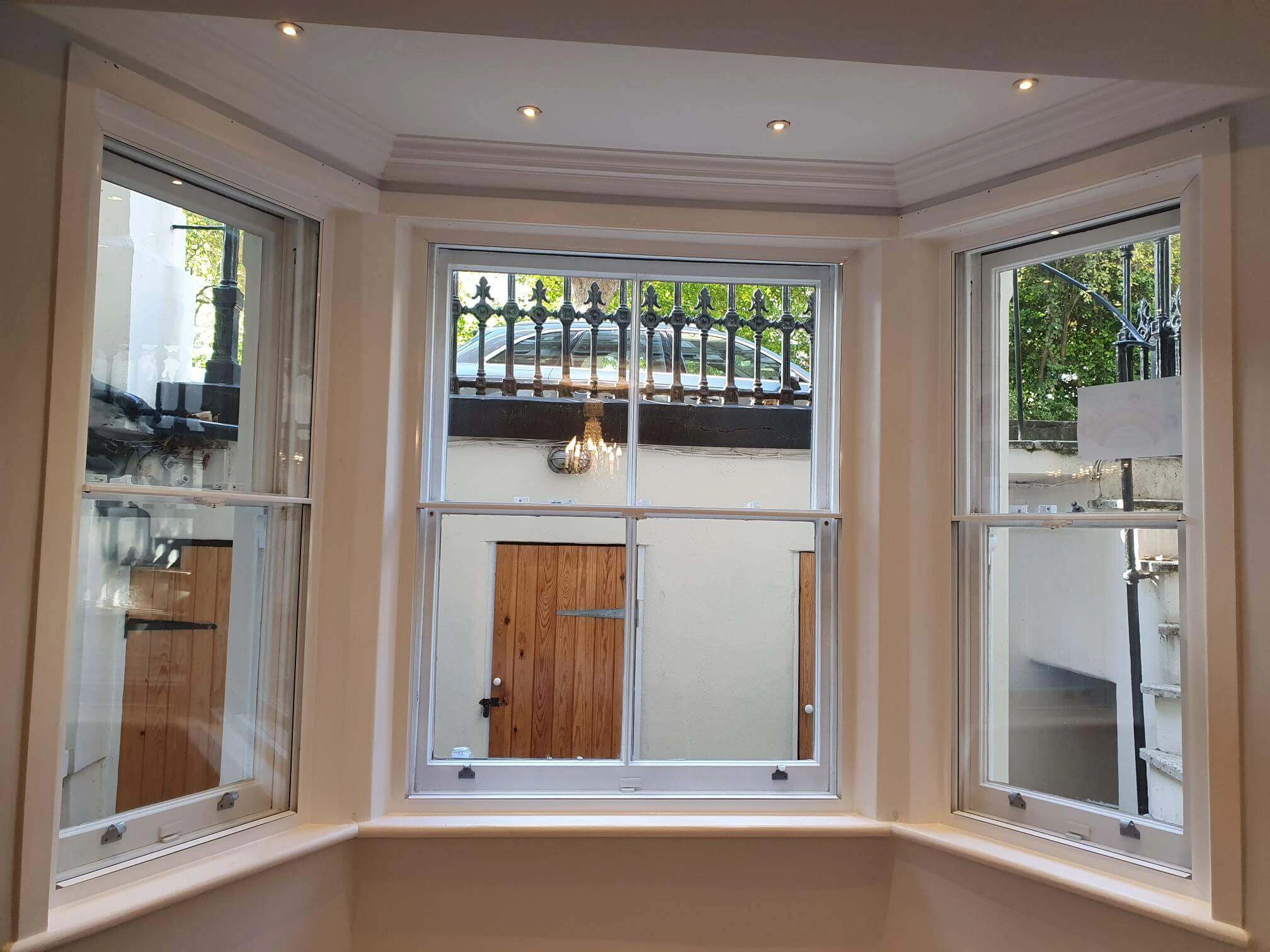
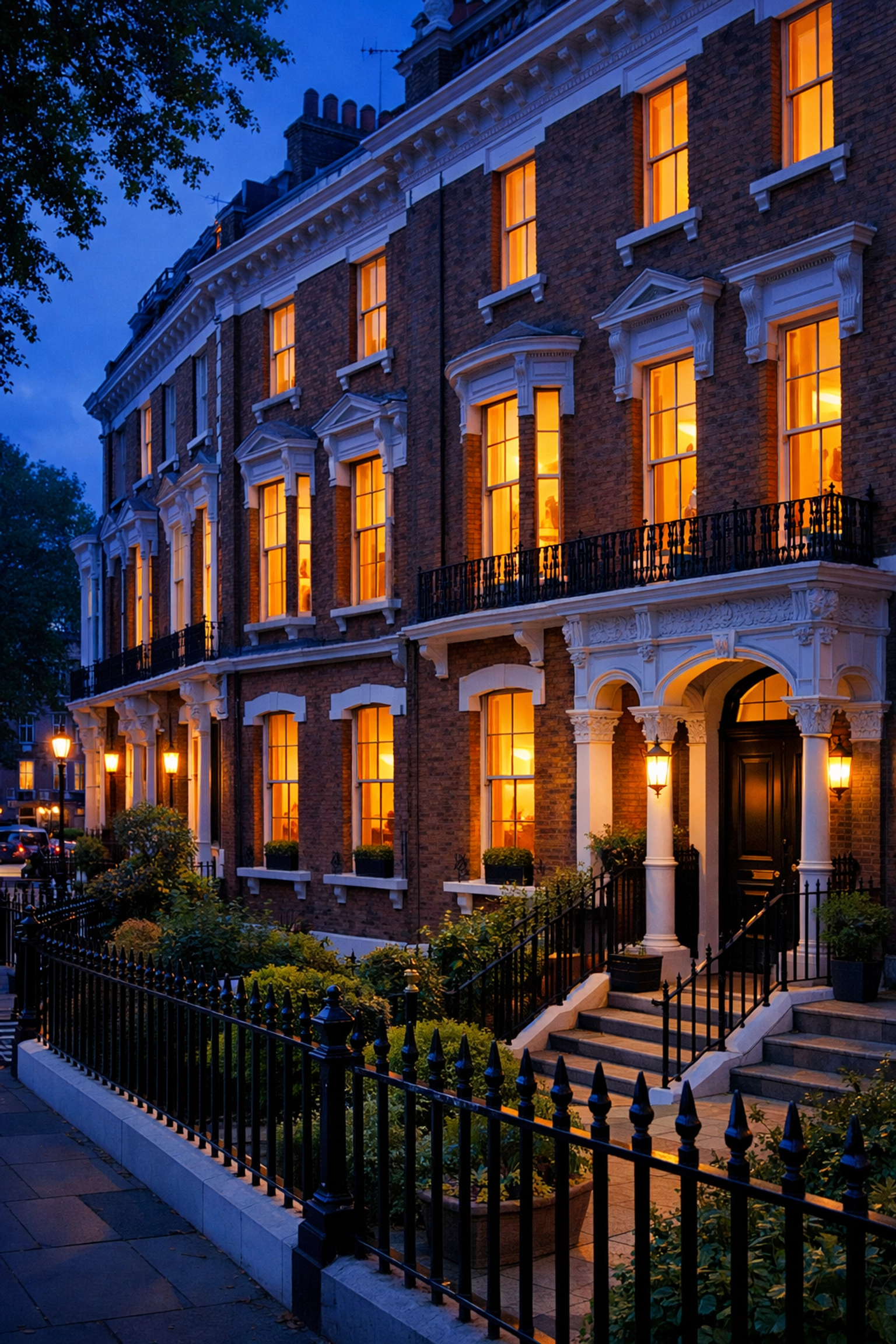
If you live in Chelsea, you already know the drill. You’ve got one of the most beautiful period homes in London, maybe a Georgian townhouse on Cheyne Walk or a Victorian terrace near the Boltons. The sash windows are original, the proportions are perfect, and the whole place absolutely drips with character.
But here’s the thing: the King’s Road doesn’t stop being the King’s Road just because it’s 11 p.m. on a Tuesday. The taxis, the delivery vans, the weekend buzz — it all seeps straight through those single-glazed windows like they’re not even there.
Double glazing? Not an option if you’re listed or in a conservation area. Even if you’re not, ripping out original windows feels a bit like painting over a Constable. So what’s a Chelsea homeowner supposed to do?
Enter secondary glazing. The invisible upgrade that keeps your home looking like a million quid while actually making it feel like one, too.
What Is Secondary Glazing (And Why Chelsea Loves It)?
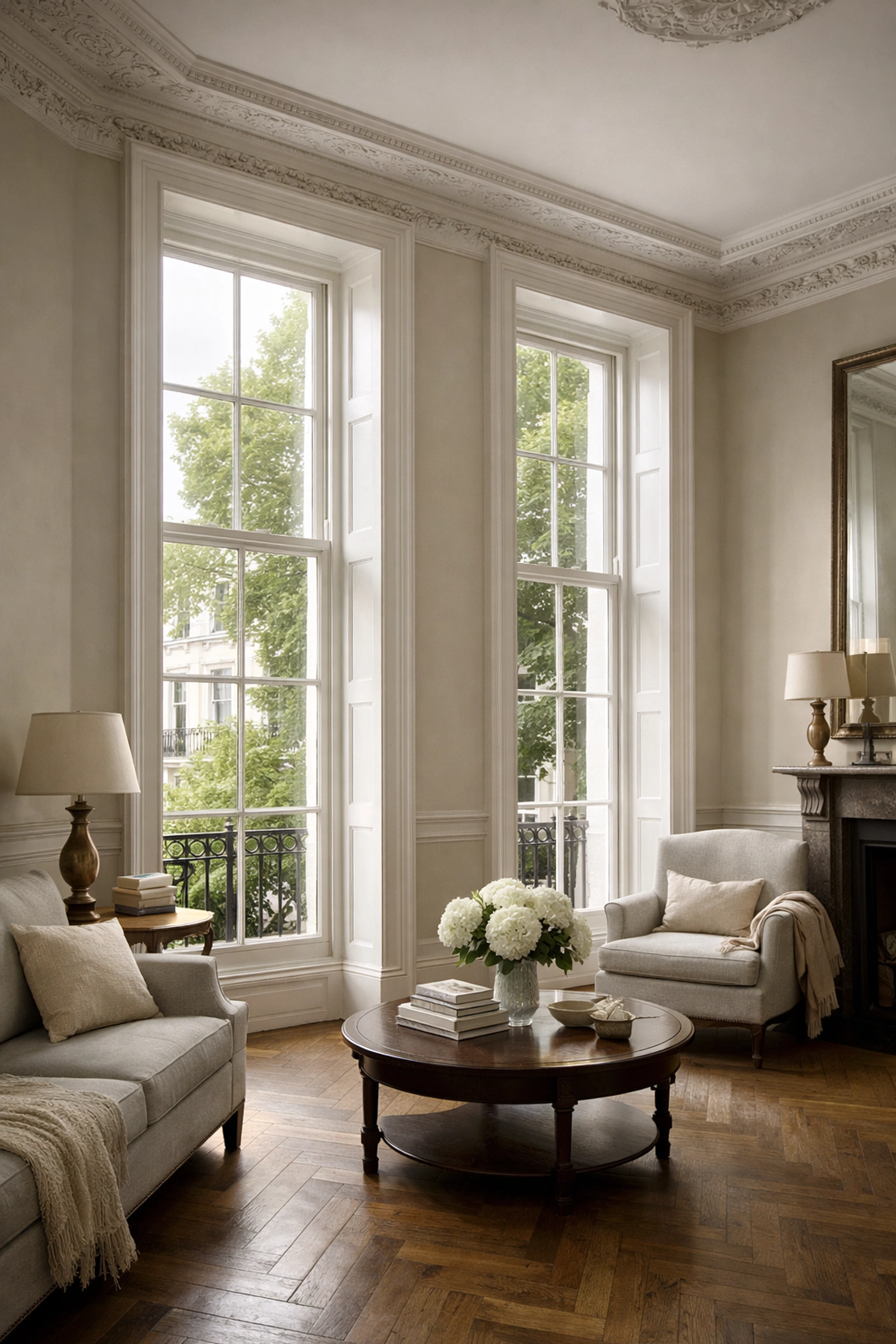
Secondary glazing is basically a second pane of glass fitted on the inside of your existing window. It sits a few centimetres back from the original frame, creating an insulating air gap that does two brilliant things: it traps sound, and it traps heat.
Unlike double glazing, which replaces your entire window, secondary glazing leaves your original sash windows untouched. That means no planning battles, no heritage headaches, and no guilt about destroying a piece of architectural history.
It’s also approved by English Heritage and perfectly legal for Grade I and Grade II listed buildings. In Chelsea, where half the neighbourhood is either listed or sitting in a conservation area, that’s kind of a big deal.
The Noise Problem in SW3 (And How We Fix It)
Let’s be honest, Chelsea is one of the loudest postcodes in London. You’ve got the King’s Road running straight through the heart of it, Sloane Square pumping out traffic 24/7, and enough black cabs idling outside Bluebird to power a small city.
If your bedroom faces the street, you’ve probably tried everything: blackout curtains, white noise machines, earplugs that make you feel like you’re underwater. None of it really works, does it?
Here’s why secondary glazing does: it cuts external noise by up to 80%. That’s not a typo. Standard double glazing only reduces noise by about 50%, so you’re looking at nearly double the performance.
The secret is in the air gap. When sound waves hit your original window, they lose most of their energy trying to travel through that dead space before hitting the secondary pane. It’s like trying to shout through a pillow — most of the noise just… dies.
We typically install 10.8mm acoustic laminate glass for Chelsea properties, which is specifically engineered to absorb low-frequency rumble (the kind you get from buses and lorries). The result? A bedroom so quiet you can actually hear the clock ticking. Bliss.
Keeping the Heat In (And the Bills Down)
Noise isn’t the only thing escaping through those gorgeous Georgian sashes. Heat is too — lots of it.
Single-glazed windows lose up to 70% of your home’s warmth in winter. That means your heating system is basically working overtime just to stop the place from feeling like a wind tunnel. And in Chelsea, where period homes can run into the millions, nobody wants their energy bills looking like a second mortgage.
Secondary glazing reduces heat loss by up to 70%, which translates to roughly 15–20% off your heating costs depending on the size of your property. For a five-bedroom townhouse on Cheyne Walk, that’s not pocket change.
The insulating air gap works as a thermal buffer, keeping the cold out and the warmth in. You’ll also notice that draughts — those little icy whispers that sneak in around the window frame — completely disappear. It’s like wrapping your home in a cashmere blanket, except it’s invisible and lasts for decades.
The Chelsea Aesthetic: No One Will Ever Know
Here’s the part that really seals the deal for SW3 homeowners: secondary glazing is almost invisible.
From the street, your windows look exactly the same. The original sash frames stay put, the glazing bars remain untouched, and the whole thing keeps that authentic period charm that makes Chelsea, well, Chelsea.
Inside, the secondary pane sits neatly in a slim frame — usually white, but we can match it to any colour you like. Most people don’t even notice it’s there unless you point it out. Guests certainly won’t.
This is crucial if you’re on the Boltons or anywhere near Cadogan Estate, where the planning rules are tighter than a Victorian corset. You don’t want to spend six months wrestling with the council over window replacements when you could have the whole job done in a day with zero planning permission required.
Installation: Quick, Clean, and Zero Disruption
One of the best things about secondary glazing? The installation is ridiculously straightforward.
Most properties in Chelsea can be completed in a single day. We measure, we fit, we clean up, and we’re gone. No scaffolding, no skips, no builders camping out in your front garden for a fortnight.
Because we’re working on the inside of the window, there’s no need to mess about with exterior masonry or listed facades. Everything is reversible, which means if you ever decide to sell (though why would you?), you can remove the secondary glazing without leaving a trace.
It also costs about half the price of full double glazing replacement. For a four-bedroom period home in SW10, you’re looking at significant savings while still getting superior noise and thermal performance.
The Listed Building Advantage
If your Chelsea home is listed — and statistically, there’s a decent chance it is — secondary glazing isn’t just a good option. It’s often the only option.
English Heritage and local conservation officers actively recommend secondary glazing because it:
- Doesn’t alter the external appearance of the building
- Preserves the original windows and their historic fabric
- Is fully reversible if needed
- Complies with all heritage regulations
We’ve worked with dozens of listed properties across SW3, from grand Victorian villas on Cheyne Walk to Georgian terraces near Sloane Square. The process is smooth, the results are dramatic, and your local conservation officer will actually thank you for doing it properly.
The Condensation Bonus (Because London is Damp)
Here’s something nobody talks about enough: condensation.
Period homes in Chelsea are beautiful, but they’re also prone to moisture buildup — especially in bathrooms, kitchens, and north-facing bedrooms. When warm, humid air hits a cold single-glazed window, you get condensation. And condensation leads to mould, peeling paint, and that musty smell that no amount of Jo Malone candles can quite cover.
Secondary glazing significantly reduces condensation by keeping the inner pane warmer. The air gap acts as a buffer, so you’re far less likely to wake up to rivers of water running down your windows every morning.
Security: An Unexpected Upgrade
An extra pane of glass doesn’t just keep noise and heat where it belongs — it also acts as a second barrier against break-ins. Most burglars in Chelsea are opportunistic; they’re looking for easy entry points, not properties that require smashing through two layers of glass.
Why Chelsea Homeowners Are Switching to Secondary Glazing
- Noise reduction: Up to 80% quieter, even on the King’s Road
- Energy efficiency: 70% less heat loss, 15–20% lower bills
- Heritage-friendly: Approved for listed buildings and conservation areas
- Cost-effective: Half the price of double glazing replacement
- Fast installation: Most homes done in a day
- Invisible aesthetic: Keeps your period charm intact
Whether you’re on Cheyne Walk watching the Thames roll by, or tucked into a quiet corner near the Boltons, secondary glazing is the upgrade that lets you have it all: the beauty of a period home with the comfort of modern living.
If you’re ready to turn down the volume on London and turn up the warmth in your Chelsea home, get in touch with us. We’ll show you exactly how secondary glazing can transform your SW3 property — without changing a thing on the outside.
Written by
James Wilson
Senior Glazing Consultant
With over 20 years of experience in the secondary glazing industry,James is a leading expert in acoustic and thermal window solutions.